It is hard to overstate how hard it is to be a trans person right now. Our rights and our lives are literally up for debate across the United States, and with the U.S. presidential primary just around the corner, we aren’t likely getting a break any time soon. This newest moral panic about trans youth in sports, school bathrooms, and clinics has brought into question access to medical care for trans adults, threatening anyone who supports trans youth autonomy, including doctors, parents, and teachers. Once-reliable news sources such as the New York Times have leaned into the political “controversy,” leaving trans youth with few places to turn to for support that their experiences are valid and that they should have the right to the evidence-based treatment they are seeking.
In a time that feels devastatingly bleak, I wanted to offer some ways to engage with this issue. It can feel overwhelming and numbing to be in this hostile landscape, and I find that the typical suggestions of donating money or sharing within the echo chamber of social media are not enough to abate the overwhelm. This must be a community effort, and we must tap into the deep, generative parts of ourselves to make our movement – our lives – shine brightly enough to reach one another and to fight back.
1. Support youth-led organizing.


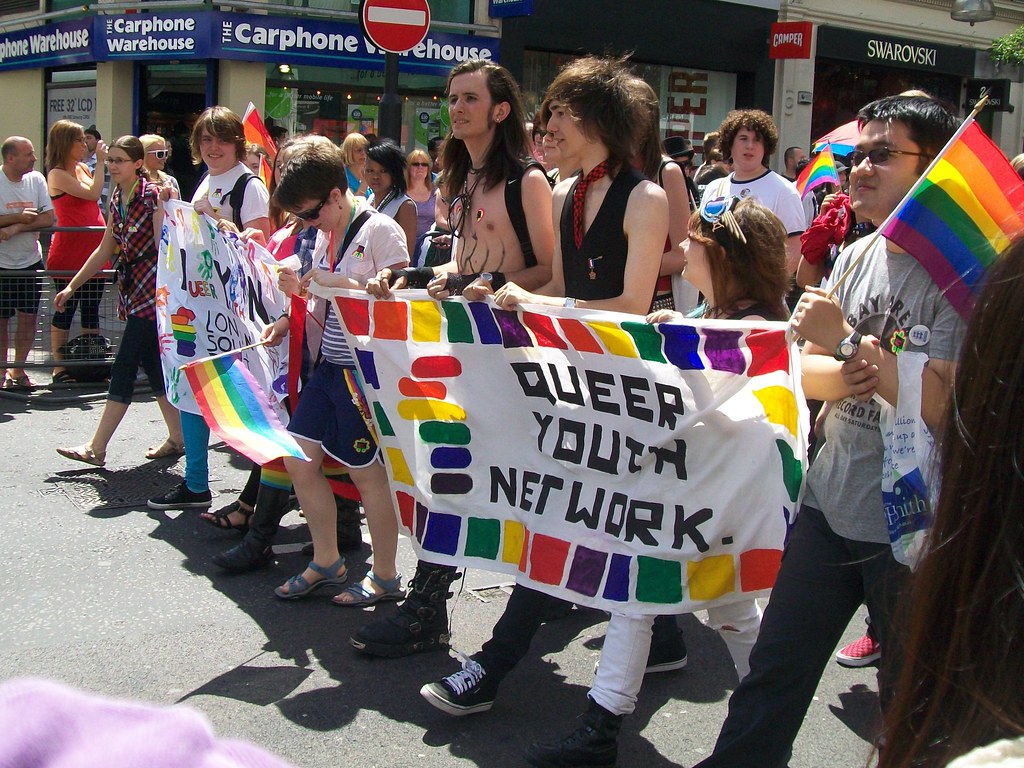
“2017.02.24 Dance Protest Celebrating Trans Youth, Washington, DC USA 01168” by tedeytan is licensed under CC BY-SA 2.0. “March for Queer and Trans Autonomy” by Queer Youth Assemble. “Queer Youth Network” by Peter O’Connor aka anemoneprojectors is licensed under CC BY-SA 2.0.
No one is more targeted right now than transgender youth, and they are not standing idly by. As one example, today is the National March for Queer & Trans Youth Autonomy, an event that spans all 50 states and Washington, D.C. Students are walking out of schools and into the streets with a list of demands that is a beautiful reminder that we should not just be demanding basic decency, but true liberation and autonomy. Queer Youth Assemble is just one of many youth-led organizations fighting for trans rights. If you’re an adult over 25, like me, then follow these organizations’ lead on what is needed and requested as accomplices in supporting their fight for justice. (If you’re a youth, get out there to organize and let us know how we can help!)
- International Lesbian, Gay, Bisexual, Transgender, Queer & Intersex (LGBTQI) Youth and Student Organisation
- Supporting and Mentoring Youth Advocates and Leaders (SMYAL)
- The GSA Network, including the National Trans Youth Council (TRUTH) and the Roses program for trans girls of color
- The 2-Spirit Collective
- Global Queer Youth Network
2. Join a school board.
Nationwide, queer and trans people and their advocates are hugely underrepresented in school boards. A recent survey by the Victory Institute found that only 0.1% of school board representatives nationwide were openly members of the LGBTQIA community, and that within that group, most were cisgender. A huge portion of the discourse happening around trans youth are focused on what happens inside of school systems. Part of the success of alt-right and extremist anti-trans “activists” has been leveraging culture wars and stirring up political pressure among large swaths of parents and community members, alongside effective bids for school board seats. Queer and trans people and those who support us must organize and take up more space in school governance to fight back on this trend. Here is one basic guide to running for school board, and most states have extensive information available on their webpage. There are many other ways to get involved in educational decision-making in your area, including participating in a parent-teacher association (PTA), attending and voicing your position in school board meetings, or getting involved in the campaign of a progressive candidate.
3. Sponsor a read-a-thon.


Image source: https://i.ytimg.com/vi/PmOJEVVnmm0/mqdefault.jpg, “paula reading a book” by Mario A. P. is licensed under CC BY-SA 2.0.
A few weeks ago, young adult author Sim Kern make a call on Tik Tok for a Trans Rights Read-a-Thon. While the national event happened earlier this March, it’s never too late to start an event rooted in the deliciously slow medium of reading a book. What’s beautiful about a Read-a-Thon is how many ways it supports the community – it boosts the work of transgender and nonbinary authors in libraries and bookstores, it provides mutual support and education about trans identity and experiences, and it can also be a tool for fundraising, if that’s your jam. Some excellent places you can raise money for by reading chapters or books include Trans Health Legal Fund, Point of Pride, or Trans Lifeline – or better yet, find a community organization in your local area that could use support! There are many excellent lists of books by trans and enby authors – here’s one for young adult novels, fiction/memoir, and non-fiction. As a science teacher, I’m also going to include this short list of books about science connected to gender and sexuality, one of which is written by a trans author.
4. Make and take in art.
Art is a powerful force. Whether a slogan embroidered onto a jean jacket, a protest song chanted at a rally, or a graffiti mural demanding justice, art has an important role to play in bringing about change. Creating art nourishes us and makes connections across time and space. Appreciating and sharing art can have a huge impact on yourself and others, and art is one way we can support one another through this difficult time. Take some time to create or appreciate art that supports trans autonomy and freedom, and support trans and nonbinary artists when you can by purchasing their work. Here are some of my favorite pieces by trans and nonbinary artists right now that are giving me life:
This video features Wendi Cooper, Jennicet Gutiérrez, Tiommi Luckett, Sean Saifa Wall, and Tatiana Williams reflecting on what liberation means to them. This video is a part of a series created by the Transgender Law Center that includes other visually stunning stories of affirmation and liberation.


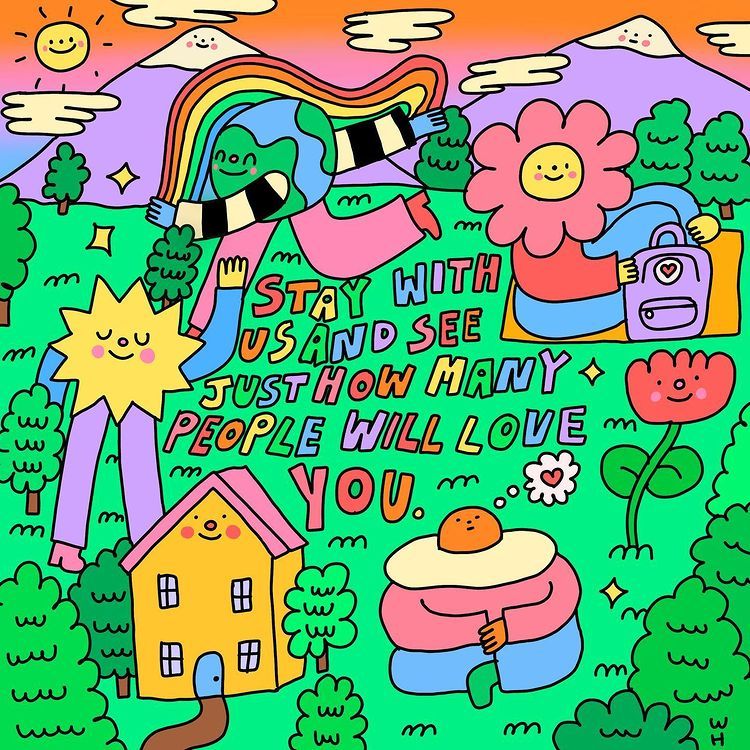
Art credits: LJ Roberts, “Portraits” – Micah Bazant, “No Pride in War” – Wednesday Holmes, “You haven’t even met all of the people that will love you.”
5. Become a teacher, mentor, or coach.
Trans youth need supportive adults in their lives. Whether you are a part of the LGBTQIA community yourself or simply someone who can offer an affirming presence, being a supportive adult in a mentorship role can have life-changing impact on trans and nonbinary youth. Speaking from my own experience, while being a teacher has not always been easy, it has certainly nourished my need for community-building and mutual care in a way no other profession could. We are currently in a teacher shortage crisis of unprecedented proportions – could you be a part of helping make schools a better place for queer and trans youth right now? Those for whom teaching is not accessible can find many other ways of connecting with and supporting youth, such as a Big Brothers/Big Sisters (Big Enby Siblings?) program, coaching a sports/robotics team or an interest-focused club, or providing mentorship through a vocational program during or after school.
6. Express your support – LOUDLY.
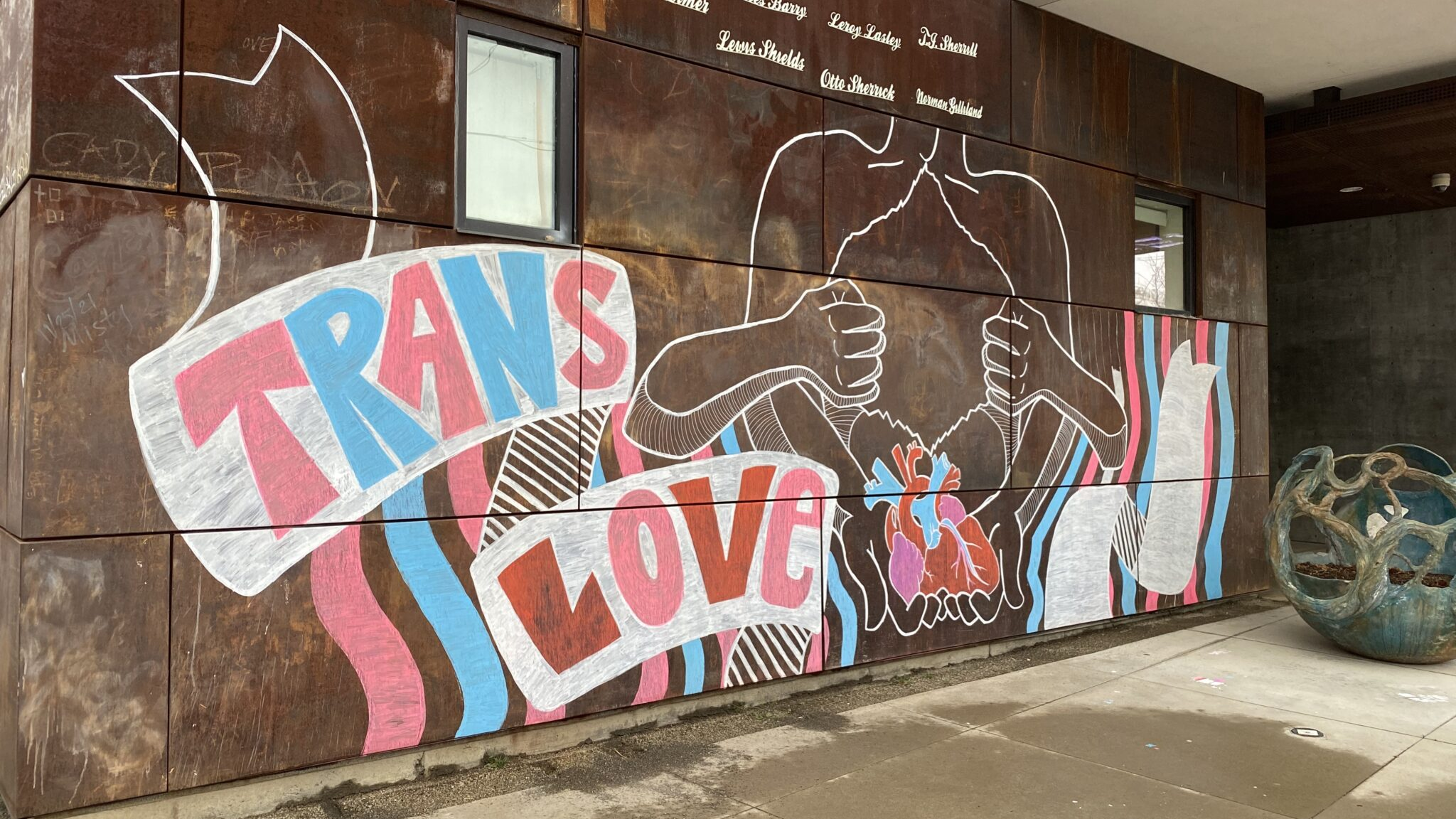
“Not a Rose” by Grace Fallon, Carle Jackson and Lance McMahan, ahha Tulsa
I want you to talk about how much you love trans people. I want you to talk about how important it is to you that trans youth get access to appropriate, life-saving healthcare – especially if you are cis. Bring it up in casual conversation with cisgender people. Put up signs and stickers, or write graffiti tags in your workplace or on the street. Show trans love wherever it’s appropriate, and perhaps especially when it’s not. Transgender people of every age, in every political and social environment, are being bombarded with messages of hostility and injustice at every turn. We hear it from our families, from our elected officials, from our coworkers, and even sometimes our friends. So, turn up the love meter a little bit and be a little bit annoying about how much you love us trans people, even when you don’t think there’s any trans people around. We could really use it.
7. Take care of yourself/your trans loved ones.
Self-care is talked about so often these days that the term can sometimes feel hollow. However, I want to leave this here as a reminder that the most revolutionary thing that we as transgender people can do in this climate is to thrive. If you are a trans person, the most important thing you can do right now is find what nourishes you and cultivate those parts of your life with the support of those around you. If you are not trans yourself, reach out to the trans folks in your life with an offer of care that is meaningful, open-ended, and centering that person’s needs. Maybe what’s wanted is to go for a walk and vent, or to have someone help clean around your apartment. Maybe you’re looking for a buddy to go for a jog with, or to go smash broken pottery with to release some of your rage. Whatever it is you’re looking for, try your best to carve out time that allows for more of what you need to happen, and don’t be afraid to ask for help.
Over the past few weeks, it has been easy for me to slip into despair and feel isolated and afraid for myself and my community. I leave you this list as a way to open up space to imagine a better future for yourself, to find generative energy and creative space within the difficulties we are facing while building authentic connections with those most impacted by the violent anti-trans rhetoric being casually wielded in the public sphere. We cannot give up in this fight for justice, and the tools we choose to defend ourselves will depend on who we are and how we are called into the work. May these suggestions be a springboard for your imagination, and may you push beyond limits to find a path forward that is hopeful, sustainable, and authentic.
If you want up-to-date information on current anti-trans bills and how to take action by contacting legislators, check out the ACLU’s Legislative Map, the National Center for Transgender Equality’s State Action Center and the weekly policy updates from them magazine put together by the fantastic Trans Formations Project (sign up to volunteer with them here!).
![In-vitro fertilization (IVF) was an important concept in my unit on genetically editing zygotes. [Image description: a student illustration of a needle pointing at an egg in a petri dish.]](https://fishyteaching.com/wp-content/uploads/2019/07/screen-shot-2019-07-12-at-3.34.41-pm.png)


![This student wanted to illustrate AND write the text for her piece. [Image description: a pregnant body next to a clock with a passage about birth.]](https://fishyteaching.com/wp-content/uploads/2019/07/screen-shot-2019-07-12-at-3.36.46-pm.png)
![Students often loved - or avoided! - illustrating one of the passages about birth. I gave student groups free choice of what part of the book they were interested in illustrating. [Image description: A medical worker is performing a C section and surgically removing a baby from the body of a pregnant person.]](https://fishyteaching.com/wp-content/uploads/2019/07/screen-shot-2019-07-12-at-3.38.09-pm.png)


 Fishing for Rainbows

You must be logged in to post a comment.